English
 Español
 عربى
عربى
 Deutsch
 Français

Понимание популярности мощного латунного ландшафтного освещения
Наружное освещение вышло далеко за рамки простого функционального освещения. Домовладельцы, ландшафтные архитекторы и управляющие коммерческой недвижимостью теперь рассматривают наружное освещение как самостоятельную дизайнерскую дисциплину, а латунь вновь стала предпочтительным материалом для всех, кто хочет, чтобы светильники служили десятилетиями, а не сезонами. Сверхмощный ландшафтное освещение из латуни сочетает в себе практические преимущества плотного, устойчивого к коррозии сплава с эстетической теплотой, которую может обеспечить только состаренный металл. Поскольку рынок уличной жизни продолжает расти, латунные светильники становятся определяющей чертой ландшафтного дизайна премиум-класса, и чтобы понять, почему требуется взглянуть как на материаловедение, лежащее в основе латуни, так и на тенденции дизайна, которые в настоящее время формируют отрасль.
В отличие от алюминиевых или пластиковых композитов, твердая латунь не разрушается под воздействием ультрафиолета, не становится хрупкой при отрицательных температурах и не трескается при многократном термоциклировании. Одни только эти свойства оправдывают ее популярность, но со временем на латуни также образуется естественная патина, которую многие дизайнеры считают особенностью, а не недостатком. Такое сочетание технических характеристик и развивающегося визуального характера является причиной того, что латунь стала материалом, наиболее часто используемым в планах ландшафтного освещения высокого класса.
Почему латунь превосходит другие материалы для ландшафтного освещения
Чтобы понять текущие тенденции, необходимо сначала понять основные преимущества, которые делают латунь предпочтительной основой для наружных светильников, подвергающихся постоянному воздействию окружающей среды.
Коррозионная стойкость в суровых условиях
Латунь представляет собой сплав меди и цинка, и этот состав придает ей превосходную стойкость к окислению по сравнению с необработанной сталью или железом. В то время как алюминиевые светильники могут подвергаться коррозии и подвергаться коррозии под воздействием соленого воздуха, химикатов для орошения или кислой почвы, латунь образует защитный оксидный слой, который фактически усиливает ее устойчивость к дальнейшему разрушению. Это делает латунь особенно популярной на прибрежных объектах, полях для гольфа и муниципальных парках, где светильники ежедневно подвергаются воздействию спринклерных систем, стоков удобрений и влажного воздуха.
Конструктивная плотность и вес
Сверхпрочные латунные светильники ценятся за свою массу. Хорошо отлитое латунное приспособление надежно лежит в руке, не опрокидывается газонным оборудованием и надежно удерживается в почве или установленном оборудовании даже во время шторма. Это существенное отличие от более дешевых штампованных металлических или пластиковых корпусов, которые могут деформироваться, треснуть или сдуться в условиях сильного ветра.
Тепловые характеристики с интеграцией светодиодов
Поскольку ландшафтное освещение почти полностью перешло на светодиодную технологию, управление температурным режимом стало решающим фактором проектирования. Латунь обладает хорошей теплопроводностью, что позволяет отводить тепло от светодиодных чипов и продлевать срок службы диода. Светильники, изготовленные из тонкого пластика или низкокачественного алюминия, часто задерживают тепло, сокращая срок службы светодиодных компонентов внутри. Латунные корпуса, напротив, действуют как пассивные радиаторы, что является одной из основных инженерных причин, по которым латунь остается актуальной, даже несмотря на то, что сама технология освещения кардинально изменилась.
Срок службы и общая стоимость владения
Хотя латунные светильники обычно имеют более высокую первоначальную цену, чем альтернативы из алюминия или пластика, срок их службы часто превышает двадцать лет при минимальном обслуживании. Когда владельцы недвижимости рассчитывают общую стоимость владения с учетом циклов замены, латунь часто становится более экономичным выбором на период от десяти до двадцати лет.
Ключевые тенденции, определяющие ландшафтное освещение из латуни для тяжелых условий эксплуатации в 2026 году
Индустрия ландшафтного освещения движется циклично, под влиянием архитектурных тенденций, стандартов энергоэффективности и меняющихся вкусов потребителей. Ниже приведены наиболее важные тенденции, определяющие, как проектируются, определяются и устанавливаются латунные светильники.
1. Матовая и текстурированная латунная отделка заменяет полировку
В течение многих лет полированная латунь ассоциировалась с блестящим, почти золотым внешним видом, который некоторые домовладельцы считали устаревшим. Текущая тенденция решительно перешла к матовой, матовой и текстурированной отделке, которая приглушает отражательную способность металла, сохраняя при этом его тепло. Производители предлагают текстуры, нанесенные вручную, обработанные пескоструйной обработкой поверхности и сатиновые покрытия, которые придают светильникам более сдержанное архитектурное присутствие в ландшафте, а не привлекают к себе внимание в течение дня.
2. Живая отделка и естественная патина.
Вместо того, чтобы наносить лак или защитные покрытия, которые придают латуни единый внешний вид, многие дизайнеры теперь выбирают нелакированные или необработанные латунные светильники, которые могут покрываться естественной патиной. В течение месяцев и лет воздействие воздуха и влаги приводит к тому, что поверхность меняет тон от ярко-золотистого до более глубокого бронзового, оливкового и, в конечном итоге, до мягкого зеленого цвета ярь-яни. Эта тенденция живой отделки привлекает домовладельцев, которые хотят, чтобы их осветительные приборы старели в гармонии с окружающей каменной кладкой, состаренным деревом и зрелыми насаждениями, создавая ландшафт, который кажется обоснованным и устоявшимся, а не только что установленным.
3. Конструкция светильника, совместимая с Dark Sky
Осведомленность о световом загрязнении стала основной проблемой, и многие муниципалитеты теперь требуют или поощряют использование светильников, соответствующих требованиям темного неба, для проектов нового строительства и реконструкции. Сверхмощные латунные светильники все чаще проектируются с полностью отсекающими экранами, обращенной вниз оптикой и линзами, уменьшающими блики, которые направляют свет именно туда, где он необходим, а не рассеивают его в ночное небо. Эта тенденция отражает более широкий сдвиг в сторону ответственного наружного освещения, которое сочетает в себе безопасность и эстетику с охраной окружающей среды.
4. Более теплые цветовые температуры для естественной атмосферы
Предпочтения цветовой температуры в ландшафтном освещении заметно сместились в сторону более теплого конца спектра, обычно в диапазоне от двух тысяч семисот до трех тысяч кельвинов. Этот более теплый свет более точно имитирует свет свечей и традиционных ламп накаливания и гораздо лучше дополняет золотистые тона латунных светильников, чем более холодный голубоватый свет, который был распространен в светодиодных продуктах раннего поколения. Дизайнеры все чаще рассматривают цветовую температуру как основное дизайнерское решение, а не как второстепенную мысль, выбирая более теплые тона для жилых садов и немного более холодные тона для коммерческих приложений или приложений, ориентированных на безопасность.
5. Интеграция с «Умным домом» и управление на основе приложений.
Хотя сам латунный корпус остается традиционным материалом, внутренние компоненты современных светильников стали очень сложными. Сверхмощные латунные светильники теперь обычно сочетаются с интеллектуальными трансформаторами и системами управления на основе приложений, которые позволяют домовладельцам регулировать яркость, устанавливать расписания, создавать сцены и даже изменять цветовую температуру удаленно. Такое сочетание традиционных материалов с современными технологиями является одной из определяющих характеристик современного рынка, позволяя владельцам недвижимости наслаждаться вневременным внешним видом латуни, одновременно получая выгоду от удобства автоматического управления.
6. Многоуровневый и зональный дизайн освещения
Вместо того, чтобы полагаться на несколько ярких светильников, современный ландшафтный дизайн освещения отдает предпочтение многоуровневому подходу, который сочетает освещение дорожек, верхнее, направленное вниз и акцентное освещение в отдельные зоны. Латунные светильники особенно хорошо подходят для этого подхода, поскольку один и тот же язык отделки и дизайна можно распространить на светильники для дорожек, колодцы, прожекторы и подвесные светильники, создавая целостную визуальную идентичность по всему объекту. Многоуровневое освещение также позволяет независимо управлять различными зонами, обеспечивая как практические потребности, такие как безопасность пешеходных дорожек, так и эстетические цели, такие как выделение особого дерева или водного объекта.
7. Солнечные и низковольтные гибридные системы.
Энергоэффективность продолжает влиять на конструкцию светильников, и многие производители теперь предлагают прочные латунные светильники, построенные на низковольтных двенадцативольтовых системах, а не на сетевом напряжении. Системы низкого напряжения безопаснее устанавливать, потребляют значительно меньше электроэнергии и позволяют более гибко размещать светильники, поскольку трансформаторы могут питать всю зону светильников от одного источника. Некоторые линейки продуктов премиум-класса также экспериментируют с гибридными солнечными вспомогательными системами, которые снижают зависимость от электроэнергии из сети, сохраняя при этом надежность, которой славятся проводные системы.
8. Скульптурные и ремесленные изделия.
Ландшафтное освещение все чаще рассматривается как функциональное искусство. Высококачественные латунные светильники производятся небольшими партиями мастерами-металлистами, которые используют текстуры ручной ковки, индивидуальное литье и уникальные скульптурные формы. Эта тенденция особенно заметна в проектах роскошных жилых домов, где осветительные приборы выбираются с той же тщательностью, что и уличная мебель или садовая скульптура, а не рассматриваются как чисто утилитарная второстепенная мысль.
9. Повышенный спрос на сертификацию морского уровня
Поскольку все больше проектов ландшафтного освещения реализуется в прибрежных регионах или вокруг бассейнов, прудов и водных объектов, сертификация морского класса становится важным критерием покупки. Сверхмощные латунные светильники, предназначенные для морской среды, подвергаются более строгой герметизации и прокладкам для предотвращения проникновения влаги, и эта тенденция подтолкнула производителей улучшить свои стандарты герметизации для всей линейки продуктов, а не только для светильников, специально предназначенных для использования в прибрежных водах.
10. Модульные компоненты и компоненты, обслуживаемые на месте.
Проблемы устойчивого развития также повлияли на конструкцию светильников на уровне компонентов. Вместо того, чтобы производить герметичные устройства, которые необходимо полностью выбрасывать в случае выхода из строя одного компонента, многие производители теперь разрабатывают латунные светильники со сменными ламповыми модулями, платами драйверов и линзами. Этот модульный подход еще больше продлевает срок службы светильника, сокращая количество отходов на свалках и позволяя владельцам недвижимости перейти на более новую светодиодную технологию без замены всего латунного корпуса.
Популярные типы светильников для тяжелого латунного ландшафтного освещения
Ландшафтное освещение из латуни охватывает широкий спектр категорий светильников, каждая из которых служит определенной функциональной и эстетической цели в рамках более широкого плана освещения.
Освещение дорожек и зон
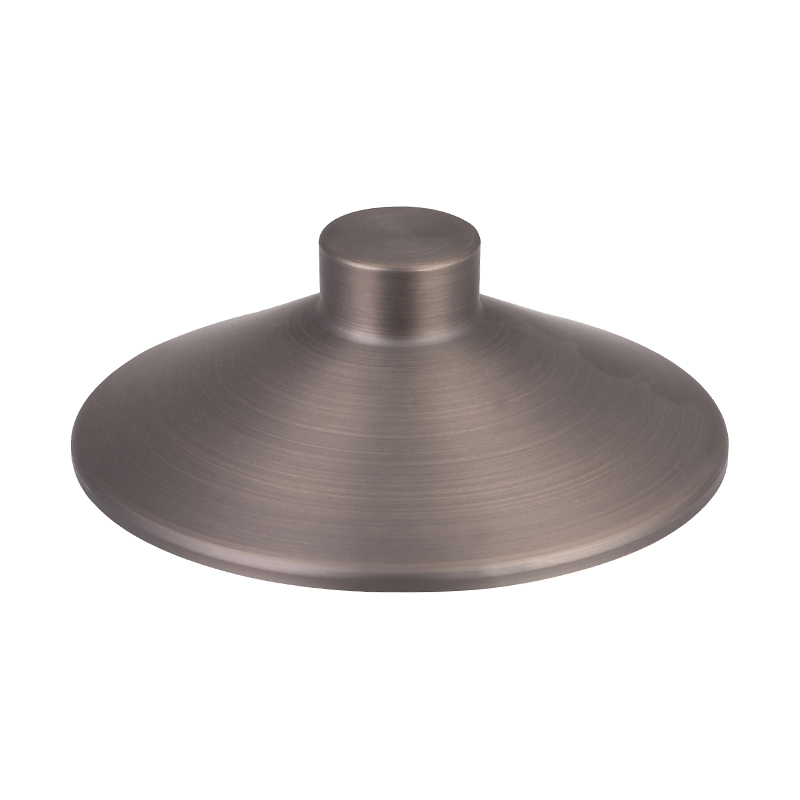
Светильники для дорожек являются одними из наиболее распространенных латунных светильников, обычно имеющих абажур в виде гриба, яруса или пагоды, который направляет свет вниз на пешеходные дорожки. Сверхпрочные латунные фонари для дорожек ценятся за их способность выдерживать повторяющиеся контакты с газонокосилкой, пешеходное движение и сезонные сдвиги грунта, не сгибаясь и не трескаясь.
Прожекторы и аплайты
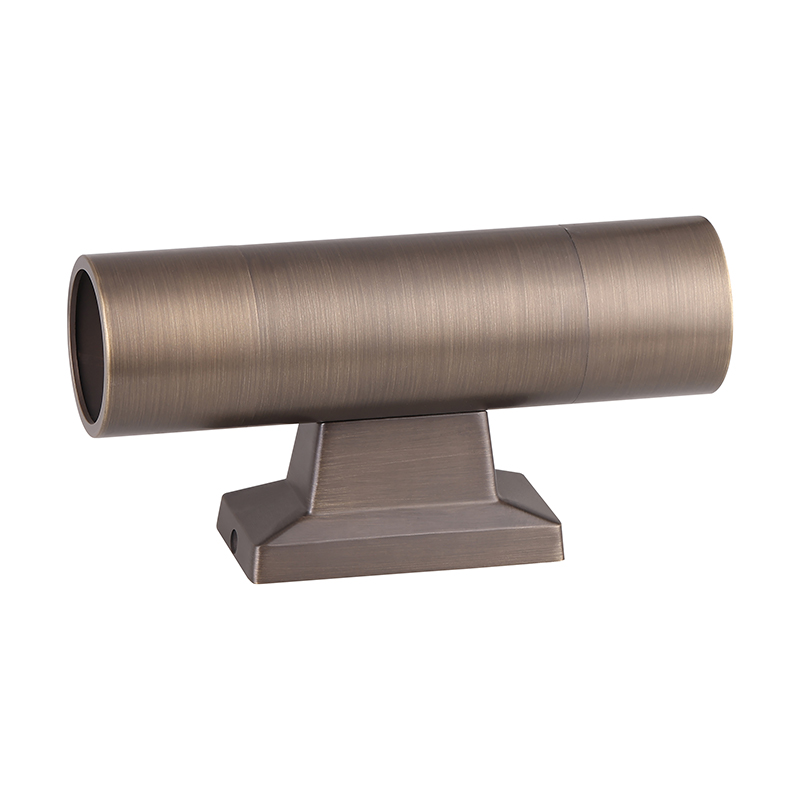
Прожекторы используются для выделения деревьев, архитектурных особенностей и акцентов сада. Латунные прожекторы обычно включают в себя регулируемые хомуты, которые позволяют точно настроить угол луча после установки, а модели для тяжелых условий эксплуатации часто включают в себя крепления для кольев, достаточно прочные, чтобы оставаться устойчивыми даже в рыхлой или песчаной почве.
Колодцы и наземные светильники
Фонари для колодцев устанавливаются вровень с землей и часто используются для освещения деревьев или фасадов снизу. Поскольку эти светильники подвергаются воздействию стоячей воды, контакта с почвой и пешеходного движения, коррозионная стойкость и качество герметизации латунных конструкций становятся особенно важными.
Палубное, ступенчатое и ландшафтное освещение
Небольшие латунные светильники, встроенные в настил, ступеньки и подпорные стены, обеспечивают как безопасное освещение, так и тонкое акцентное освещение. Эти светильники выдерживают значительный физический износ, поэтому долговечность латунных корпусов становится практической необходимостью, а не роскошью.
Подводные и прудовые фонари
Латунь также широко используется в погружных приспособлениях для прудов, фонтанов и бассейнов, где ее коррозионная стойкость и герметичность необходимы для долгосрочной надежности в постоянно влажной среде.
Подвесные и подвесные светильники
Для беседок, летних кухонь и крытых патио подвесные латунные светильники становятся все более популярными как продолжение эстетики внутреннего освещения в жилых помещениях на открытом воздухе, сочетая ландшафтное освещение с архитектурным дизайном освещения.
Сравнение латуни с другими материалами для ландшафтного освещения
Выбор материала приспособления включает в себя баланс стоимости, долговечности и внешнего вида. В таблице ниже показано сравнение латуни с другими материалами, обычно используемыми в ландшафтном освещении.
| Материал | Долговечность | Коррозионная стойкость | Типичная продолжительность жизни | Эстетический характер |
|---|---|---|---|---|
| Латунь | Очень высокий | Отлично | от 15 до 25 лет | Теплый, изящно стареет |
| Алюминий | Умеренный | Хорошо с покрытием | от 8 до 12 лет | Нейтральный, может исчезать |
| Нержавеющая сталь | Высокий | Очень хорошо | от 12 до 20 лет | Крутой, индустриальный |
| Медь | Высокий | Отлично | от 15 до 25 лет | Теплый, быстро покрывается патиной |
| Пластиковый композит | Низкий | Ярмарка | от 3 до 6 лет | Равномерный, ограниченный характер |
Хотя медь обладает многими преимуществами долговечности латуни, латунь имеет тенденцию сохранять свой цвет дольше, прежде чем образуется патина, что дает дизайнерам больше контроля над визуальным графиком установки. Нержавеющая сталь обладает превосходной прочностью, но ей не хватает теплых тонов, которые многие дизайнеры считают необходимыми для жилых садов. Алюминиевые и пластиковые композиты остаются популярными в бюджетных проектах, но они, как правило, требуют более частой замены, что может компенсировать их более низкую первоначальную стоимость на протяжении всего срока службы ландшафтного дизайна.
Рекомендации по проектированию при выборе латунного ландшафтного освещения
Соответствие масштаба светильника пропорциям ландшафта
Одна из самых частых ошибок при проектировании ландшафтного освещения — выбор светильников, непропорциональных окружающим насаждениям и ландшафту. Прочные латунные светильники доступны в широком диапазоне размеров, и выбор правильного масштаба гарантирует, что светильники дополнят, а не конкурируют с самим ландшафтом.
Координация отделки всего объекта
Единообразная отделка всех светильников на объекте создает более целостный и профессиональный вид. Многие дизайнеры теперь определяют одно семейство латунной отделки, будь то необработанная нелакированная латунь, отделка из темной бронзовой патины или матовое сатиновое покрытие, и последовательно применяют его ко всем типам светильников, используемых на объекте.
Балансировка уровней освещенности для безопасности и атмосферы
Эффективный дизайн ландшафтного освещения сочетает в себе функциональное безопасное освещение, такое как освещение дорожек и ступенек, с более мягким окружающим освещением, используемым для выделения насаждений и архитектурных особенностей. Переосвещение объекта может лишить его ощущения глубины и драматизма, которое создает хорошо спроектированное освещение, а недостаточное освещение может создать угрозу безопасности.
Планирование сезонных изменений
Планы ландшафтного освещения должны учитывать, как окружающая растительность будет меняться в течение сезона. Лиственные деревья, которые блокируют или фильтруют свет летом, пропускают больше света зимой, и размещение светильников следует планировать с учетом сезонных изменений, а не полагаться исключительно на внешний вид ландшафта во время установки.
Падение напряжения и схема подключения
Для более крупных объектов важно тщательно спланировать прокладку низковольтной проводки, чтобы избежать падения напряжения, которое может привести к тому, что светильники в конце длительного периода будут выглядеть заметно тусклее, чем те, которые расположены ближе к трансформатору. Профессиональные установщики обычно используют многоотводные трансформаторы и тщательно рассчитанные сечения проводов, чтобы обеспечить постоянную яркость во всей зоне освещения.
Рекомендации по установке латунных светильников для тяжелых условий эксплуатации
Правильная установка имеет решающее значение для реализации полного срока службы и повышения производительности мощного латунного ландшафтного освещения. Даже самый качественный светильник будет работать хуже, если его неправильно установить.
Подготовка площадки и оценка почвы
Перед началом установки следует оценить тип почвы, чтобы определить подходящую длину стойки и крепежное оборудование. Для песчаных или рыхлых почв обычно требуются более длинные стойки или дополнительное крепление для обеспечения устойчивости светильников, тогда как для плотных глинистых почв могут потребоваться направляющие отверстия, чтобы избежать изгиба кольев во время установки.
Правильная глубина проводки и защита
Провода низкого напряжения должны быть закопаны на постоянную глубину, обычно от четырех до шести дюймов, и защищены там, где они пересекают участки, подлежащие раскопкам или аэрации. Использование кабелепровода в местах с интенсивным движением транспорта или рядом с регулярно обрабатываемыми грядками помогает предотвратить случайное повреждение провода.
Герметизация соединений от влаги
Проводные соединения всегда следует выполнять с использованием водонепроницаемых разъемов, рассчитанных на прямое захоронение, поскольку проникновение влаги в точки соединения является одной из основных причин преждевременного выхода из строя светильника, даже если сам корпус светильника имеет превосходное качество.
Определение размеров и размещение трансформатора
Трансформаторы должны иметь достаточную мощность, чтобы поддерживать общую мощность всех подключенных приборов, с некоторым резервом мощности для будущих дополнений. Размещение трансформатора в месте, защищенном от прямых погодных условий и обеспечивающем легкий доступ для обслуживания, является стандартной передовой практикой среди профессиональных монтажников.
Прицеливание и точная настройка после наступления темноты
Поскольку визуальный эффект ландшафтного освещения можно полностью оценить только после наступления темноты, профессиональные установщики обычно планируют окончательный визит для настройки и регулировки в вечерние часы после первоначальной установки, точно настраивая углы прожекторов и проверяя, достигают ли уровни освещенности запланированного дизайнерского эффекта.
Техническое обслуживание и долгосрочный уход за латунными светильниками
Понимание и управление развитием патины
Для домовладельцев, которые предпочитают постоянный яркий внешний вид латуни, а не естественно развивающуюся патину, периодическая очистка мягким средством для чистки латуни и повторное нанесение защитного покрытия могут замедлить процесс образования патины. Тем, кто придерживается тенденции живой отделки, не требуется никакого специального ухода, поскольку сама патина считается частью развивающегося характера светильника.
Регулярная уборка и удаление мусора
Независимо от предпочтений в отделке, светильники нуждаются в периодической очистке для удаления грязи, минеральных отложений из поливной воды и органического мусора, такого как листья и скошенная трава, которые могут накапливаться вокруг наземных светильников и влиять как на внешний вид, так и на светоотдачу.
Замена лампы и драйвера
Современные светодиодные лампы, используемые в латунных светильниках, обычно служат от двадцати пяти до пятидесяти тысяч часов, но возможная замена лампового модуля или платы драйвера может потребоваться в течение всего срока службы светильника. Выбор светильников с модульными компонентами, заменяемыми на месте, значительно упрощает этот процесс по сравнению со старыми конструкциями герметичных устройств.
Порядок сезонных проверок
Регулярный сезонный осмотр, в идеале проводимый в начале весны и поздней осенью, помогает выявить такие проблемы, как смещение светильников, повреждение проводки или проникновение воды, прежде чем они приведут к более серьезным проблемам. Такой превентивный подход продлевает эффективный срок службы всей системы освещения.
Соображения стоимости и рентабельность инвестиций
Сверхмощное латунное ландшафтное освещение обычно требует более высоких первоначальных затрат, чем алюминиевые или пластиковые альтернативы, при этом цена на отдельные светильники сильно варьируется в зависимости от размера, отделки и мастерства изготовления. Однако при оценке на перспективу от пятнадцати до двадцати пяти лет латунные светильники часто оказываются более экономичными из-за увеличенного срока службы и минимальной потребности в замене.
Помимо чисто финансовых расчетов, хорошо спроектированное ландшафтное освещение также положительно влияет на стоимость недвижимости и снижает привлекательность. Профессионалы в сфере недвижимости часто называют наружное освещение фактором, повышающим воспринимаемую ценность объекта во время вечерних показов, а непреходящее эстетическое качество латунных светильников вносит значительный вклад в этот эффект по сравнению с системами освещения, которые заметно деградируют в течение всего лишь нескольких лет.
Выбор подходящих прочных латунных светильников для вашей собственности
Оценка потребностей вашего ландшафта в освещении
Начните с определения функциональных и эстетических целей для каждой части объекта, различая зоны, требующие безопасного освещения, такие как подъездные пути и ступеньки, и зоны, предназначенные в первую очередь для визуального улучшения, такие как садовые клумбы и отдельные деревья.
Выбор отделки, дополняющей существующие материалы
Рассмотрите существующие материалы на участке, включая камень, дерево и существующие металлические светильники, и выберите латунную отделку, которая будет гармонировать с этими элементами как сразу, так и по мере развития отделки с течением времени.
Работа с квалифицированным дизайнером или установщиком освещения.
Учитывая технические соображения, связанные с расчетом напряжения, прокладкой проводки и размещением светильников, работа с опытным специалистом по ландшафтному освещению часто дает значительно лучшие результаты, чем подход, основанный исключительно на «сделай сам», особенно для более крупных или сложных объектов.
Запрос образцов светильников перед полной установкой
Многие производители и поставщики предлагают образцы светильников, которые можно оценить на месте, прежде чем приступать к полной установке, что позволяет домовладельцам увидеть, как конкретная отделка и стиль светильников на самом деле будут выглядеть в их конкретном ландшафте и условиях освещения.
Перспективы будущего латунного ландшафтного освещения
Заглядывая в будущее, сочетание заботы об устойчивом развитии, интеграции интеллектуальных технологий и нового признания мастерства предполагает, что популярность ландшафтного освещения из сверхпрочной латуни будет продолжать расти, а не вытесняться новыми материалами. Поскольку светодиодная технология продолжает повышать эффективность и миниатюризацию, латунные корпуса, вероятно, станут еще более совершенными, что позволит создавать меньшие и более элегантные профили светильников, не жертвуя при этом структурной прочностью, которая сделала латунь предпочтительным материалом для требовательных наружных условий.
В то же время растущий интерес потребителей к соблюдению требований темного неба, энергоэффективности и долгосрочной устойчивости, вероятно, подтолкнет производителей к еще более модульным конструкциям, пригодным для обслуживания на месте, что еще больше продлит и без того впечатляющий срок службы латунных светильников. Как для владельцев недвижимости, так и для дизайнеров, мощное латунное ландшафтное освещение представляет собой редкое сочетание долговечности материалов и развивающейся изысканности дизайна, что делает его разумной инвестицией в любой ландшафтный проект, призванный выдержать испытание временем.